Top Graphic Design Trends You Should Follow in 2026
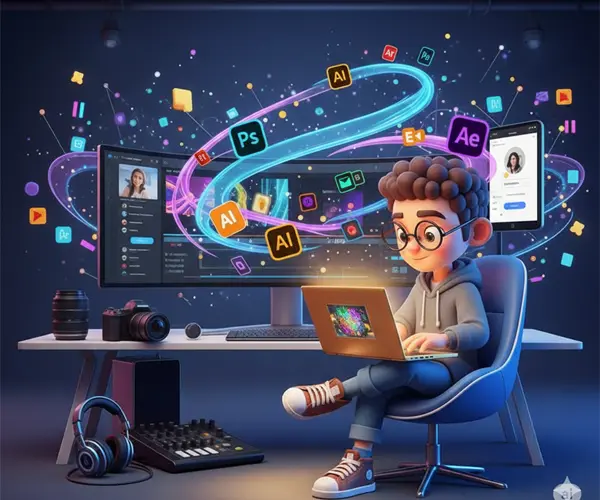
Graphic design continues to evolve at a remarkable pace, shaped by technological advancements, cultural shifts, and changing consumer preferences. As we navigate through 2026, designers face an exciting landscape where artificial intelligence meets human creativity, and where authenticity triumphs over perfection. Understanding these emerging trends isn’t just about staying current—it’s about connecting with audiences in meaningful ways that resonate with their values and expectations.
The graphic design industry in 2026 reflects our collective desire for genuine connection, environmental consciousness, and technological innovation. Whether you’re a seasoned designer or just beginning your creative journey, these trends offer fresh perspectives on how visual communication can captivate, inform, and inspire audiences across digital and physical platforms.
The Rise of Anti-Design Aesthetics
The polished, pixel-perfect layouts that dominated previous years are giving way to intentionally imperfect designs. This movement embraces asymmetry, clashing colors, and unconventional typography that challenges traditional design principles. Anti-design isn’t about carelessness—it’s a deliberate choice to prioritize authenticity and emotional impact over conventional beauty standards.
Designers are incorporating elements that feel handmade and human:
- Hand-drawn illustrations with visible imperfections
- Misaligned elements that create visual tension
- Overlapping text and images that break grid systems
- Raw, unpolished photography instead of stock images
- Intentional use of low-resolution graphics for nostalgic effect
This trend resonates particularly well with younger audiences who value realness over manufactured perfection. Brands adopting this approach often see increased engagement because their visual identity feels approachable and genuine.
Maximalist Color Palettes Make Bold Statements
After years of minimalist neutrals, graphic design in 2026 celebrates chromatic abundance. Designers are confidently combining vibrant hues that previously seemed incompatible, creating eye-catching compositions that demand attention. This shift reflects a cultural moment where people seek joy, energy, and optimism through visual experiences.
The maximalist color movement includes:
- Gradient explosions featuring four or more colors
- Neon accents paired with deep, saturated backgrounds
- Unexpected color combinations that defy traditional color theory
- Holographic and iridescent effects that shift with perspective
- High-contrast pairings that create visual drama
These bold palettes work exceptionally well for brands targeting creative industries, entertainment, and youth-oriented markets. The key is balancing intensity with strategic white space to prevent visual overwhelm.
Sustainable and Eco-Conscious Design Principles
Environmental awareness profoundly influences graphic design trends in 2026. Designers increasingly consider the ecological footprint of their work, from file sizes that reduce server energy consumption to print materials that minimize waste. This consciousness extends beyond physical materials to encompass the entire design philosophy.
Eco-conscious design manifests through:
- Earth-tone palettes inspired by natural landscapes
- Organic shapes and flowing forms that mirror nature
- Typography created from sustainable fonts that use less digital ink
- Designs optimized for minimal printing or digital-only distribution
- Visual storytelling that highlights environmental themes
Brands embracing sustainable design communicate their values while appealing to environmentally conscious consumers. This approach transforms graphic design from pure aesthetics into a statement of corporate responsibility.
Three-Dimensional Typography Takes Center Stage
Typography breaks free from flat surfaces in 2026, with designers creating letters that appear to exist in physical space. Advanced 3D rendering tools make it easier than ever to craft dimensional type that casts shadows, reflects light, and interacts with its environment. This trend adds depth and presence to designs that previously felt flat.
Three-dimensional typography applications include:
- Extruded letters with beveled edges and metallic finishes
- Inflatable bubble text that appears soft and touchable
- Typography integrated into architectural spaces
- Liquid or melting letterforms that convey fluidity
- Neon tube-style letters with realistic glow effects
This technique works brilliantly for headlines, logo designs, and attention-grabbing social media content. The tactile quality of 3D typography creates memorable visual moments that stand out in crowded digital feeds.
AI-Assisted Design Tools Transform Workflows
Artificial intelligence revolutionizes how designers approach their craft in 2026. Rather than replacing human creativity, AI tools serve as collaborative partners that handle repetitive tasks, generate variations, and offer unexpected creative directions. Smart designers leverage these technologies while maintaining their unique artistic voice.
AI integration in graphic design includes:
- Automated background removal and image enhancement
- Style transfer that applies artistic techniques across projects
- Intelligent layout suggestions based on content analysis
- Color palette generation from mood descriptions
- Rapid prototyping of multiple design variations
The most successful designers view AI as an extension of their toolkit rather than a replacement for creative thinking. This symbiotic relationship between human intuition and machine efficiency produces work that neither could achieve alone.
Nostalgic Y2K and Early Internet Aesthetics Return
Graphic design in 2026 experiences a powerful nostalgia wave for the early 2000s digital aesthetic. This revival includes elements that defined the internet’s formative years—pixelated graphics, chrome effects, butterfly motifs, and the optimistic futurism that characterized millennium-era design.
Y2K design elements making a comeback:
- Metallic silver and holographic surfaces
- Bubble and glossy interface elements
- Low-poly 3D graphics reminiscent of early video games
- Cursive fonts and sparkle effects
- Geometric patterns with cyber-inspired themes
This trend appeals particularly to millennials experiencing nostalgic connections to their youth, while Gen Z discovers these aesthetics for the first time. The key is reinterpreting these elements through a contemporary lens rather than directly copying dated designs.
Kinetic Typography and Animated Text
Static text feels increasingly limiting as graphic design embraces motion. Kinetic typography—text that moves, morphs, and responds to user interaction—dominates digital platforms from websites to social media. This dynamic approach transforms written content into engaging visual experiences that hold attention longer than static designs.
Animated typography techniques include:
- Letters that assemble themselves letter-by-letter
- Text that responds to scroll position or mouse movement
- Morphing transitions between different words or phrases
- Parallax effects that create depth through motion
- Glitch animations that add edgy, contemporary feel
Motion design requires considering timing, pacing, and how animation enhances rather than distracts from the message. When executed thoughtfully, kinetic typography significantly increases engagement and message retention.
Data Visualization as Artistic Expression
Information graphics evolve beyond simple charts into sophisticated visual narratives that make complex data beautiful and accessible. Graphic design in 2026 treats data visualization as an art form, using creative approaches to present statistics, trends, and research findings in compelling ways.
Contemporary data visualization features:
- Organic shapes instead of rigid bar charts and pie graphs
- Interactive elements that reveal additional information on engagement
- Narrative structures that guide viewers through data stories
- Custom iconography that reinforces brand identity
- Mixed media combining illustration with quantitative information
The best designs make information instantly understandable while maintaining visual interest that encourages deeper exploration.
Inclusive and Accessible Design Becomes Standard
Universal design principles move from optional consideration to fundamental requirement in 2026. Graphic design now prioritizes creating visual experiences that work for people across all abilities, ages, and circumstances. This inclusivity extends beyond legal compliance to genuine commitment toward equitable access.
Accessibility considerations include:
- High-contrast color schemes for visual impairment
- Typography choices that enhance readability for dyslexic users
- Alternative text descriptions for screen reader compatibility
- Color-blind friendly palettes that don’t rely solely on hue differentiation
- Scalable designs that work across device sizes and capabilities
Clear hierarchies, readable fonts, and thoughtful color choices create better user experiences universally.
Mixed Media and Collage Techniques
Digital collage emerges as a dominant aesthetic in 2026 graphic design, combining photography, illustration, texture, and typography into layered compositions. This approach creates rich, complex visuals that reward extended viewing and convey multiple messages simultaneously.
Mixed media design incorporates:
- Vintage photographs combined with contemporary illustrations
- Hand-drawn elements integrated with digital typography
- Textured backgrounds created from scanned materials
- Unexpected juxtapositions that create visual metaphors
- Layered transparency effects that reveal hidden depths
This technique allows designers to create distinctive visual identities that feel handcrafted and unique. The key is maintaining cohesion despite diverse elements through careful color coordination and compositional balance.
Embracing Cultural Diversity in Visual Language
Global connectivity influences graphic design trends toward celebrating diverse cultural aesthetics rather than defaulting to Western design conventions. Designers draw inspiration from global art traditions, incorporating patterns, color theories, and compositional approaches from various cultures.
Culturally diverse design includes:
- Typography exploring non-Latin writing systems
- Color palettes inspired by traditional cultural associations
- Patterns and motifs from indigenous art traditions
- Compositional structures reflecting different cultural aesthetics
- Storytelling approaches that honor diverse narrative traditions
This trend requires cultural sensitivity and genuine research rather than superficial appropriation. When approached respectfully, culturally diverse design creates richer, more inclusive visual landscapes.
Conclusion: Staying Relevant in an Evolving Field
The graphic design landscape of 2026 offers exciting possibilities for creative expression while challenging designers to consider broader impacts of their work. From environmental sustainability to digital accessibility, contemporary design extends beyond aesthetics to embrace social responsibility and technological innovation.
Successful designers balance trend awareness with timeless principles, adopting new techniques that serve their specific audiences while maintaining design fundamentals. Rather than chasing every emerging trend, focus on those that align with your brand values and client needs.
As you explore these graphic design trends, remember that the most effective visual communication combines technical skill with authentic human connection. Whether you embrace maximalist color explosions or minimalist restraint, anti-design chaos or structured precision, let your choices serve the ultimate goal—creating meaningful experiences that resonate with your audience and stand the test of time.